
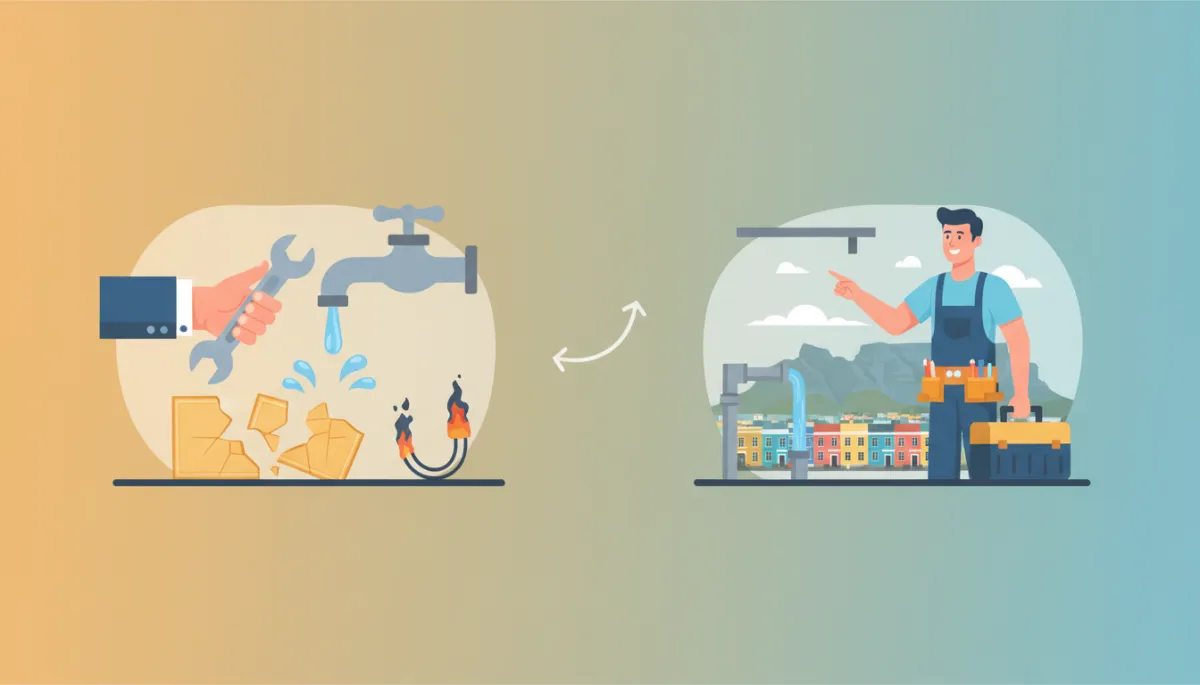
DIY vs Handyman: Avoid Costly Mistakes in Cape Town
Home Maintenance, DIY vs Handyman Cape Town
DIY vs Calling a Handyman in Cape Town: When a Quick Fix Becomes an Expensive Mistake
In many Cape Town homes, a loose cupboard door or dripping tap tempts owners to reach for the toolbox. While some tasks are ideal for DIY, others demand the skills of a professional. Understanding the balance between handyman or DIY repair Cape Town can save you time, money, and unnecessary stress.
Which Home Repairs Are Suitable for DIY?
Not every issue justifies calling a professional. Simple, low‑risk tasks are often perfect for DIY, especially if you have basic tools and are willing to follow clear instructions. When comparing DIY vs handyman Cape Town, consider DIY for:
Minor cosmetic fixes – patching small nail holes, repainting a bedroom wall, or replacing cabinet handles.
Basic hardware replacements – installing curtain rails, replacing door stoppers, or fitting new light shades (not rewiring).
Simple plumbing tweaks – tightening a loose tap handle, replacing a shower head, or unblocking a minor basin clog with a plunger.
Routine maintenance – oiling squeaky hinges, cleaning gutters at single‑storey height, or resealing silicone around a basin.
These jobs are generally safe, require limited technical knowledge, and, if done carefully, pose little risk to your property value or safety.
Common DIY Mistakes That Lead to Costly Repairs
Many homeowners only search for when to call a handyman Cape Town after a “quick fix” has gone wrong. Some of the most expensive call‑outs start with good intentions but end in damage that could have been avoided.
Underestimating structural issues – removing a “small” section of wall without realising it is load‑bearing can cause cracks or even compromise the building’s integrity.
Incorrect waterproofing – poorly applied sealants around showers, balconies, or flat roofs may look fine at first, but Cape Town’s winter rains quickly expose mistakes, leading to damp, mould, and damaged ceilings.
DIY electrical work – replacing plugs and light fittings without understanding wiring standards can be dangerous and may void insurance or fail compliance checks during a property sale.
Using the wrong materials – interior‑grade wood or paint used outdoors, or cheap fittings that rust quickly in coastal air, often require full replacement far sooner than expected.
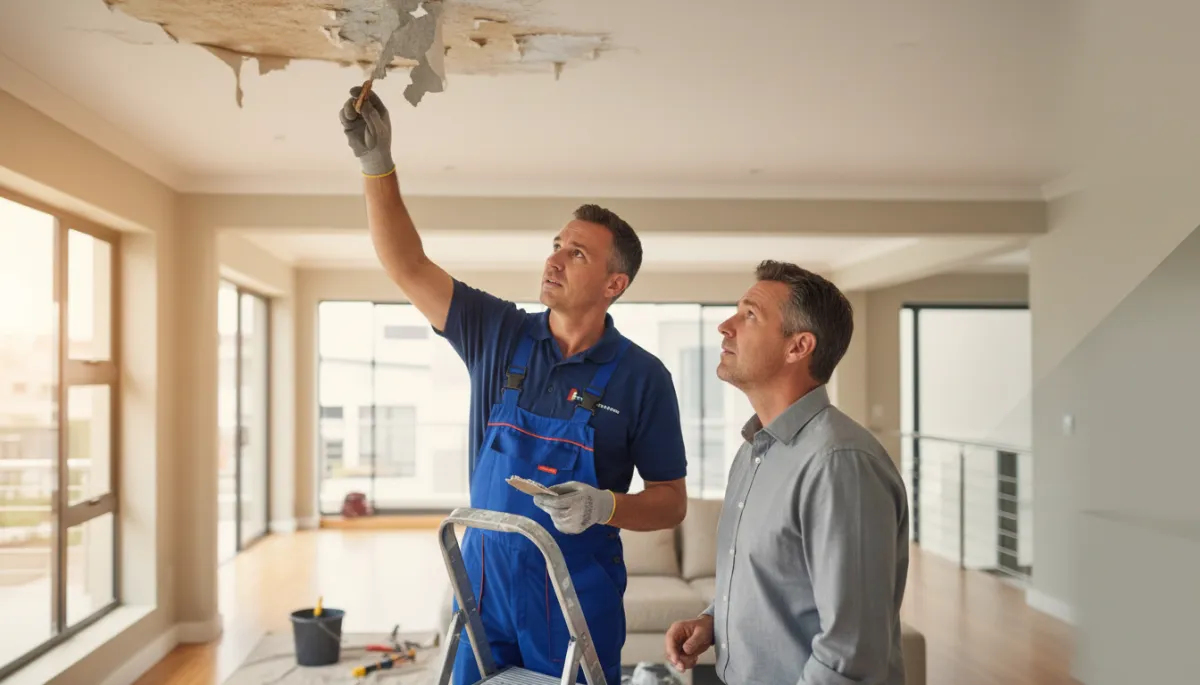
Fixing DIY water damage often costs more than hiring a handyman first.
💡 Professional Insight: If a repair involves water, electricity, or structural elements, treat it as high‑risk. The hidden consequences are rarely obvious until serious damage appears.
When to Call a Handyman in Cape Town
Knowing when to call a handyman Cape Town is as important as knowing how to use a drill. A reputable local handyman understands Cape Town’s climate, common building methods, and typical issues in older and newer suburbs alike. You should call a professional when:
The job involves electricity, major plumbing, or structural changes, such as moving plug points, fixing persistent leaks, or altering walls and doorways.
You lack the correct tools or experience, for example, installing built‑in cupboards, hanging heavy doors, or mounting large TVs onto cavity or brick walls.
The repair affects multiple areas of the home, such as widespread damp patches, sagging ceilings, or recurring cracks that suggest underlying movement.
You are preparing to sell or rent and need work completed to a professional standard that will satisfy inspectors and potential buyers.
In many cases, calling a handyman early prevents a small issue from escalating. When weighing up DIY vs handyman Cape Town, factor in not only the cost of labour, but the value of a job done correctly the first time.
Striking the Right Balance for Your Cape Town Home
The smartest approach to handyman or DIY repair Cape Town is a balanced one. Use DIY for low‑risk, cosmetic tasks that build your confidence and save on small costs. For anything that could impact safety, waterproofing, structural integrity, or future resale value, partner with a trusted local handyman. This way, your “quick fix” remains exactly that – and never turns into an expensive mistake.

Serving Atlantic Seaboard, CBD & surrounds
fixr.capetown • Whatsapp: 084 668 3307