
Granny Flat Maintenance Tips for Cape Town Landlords
Property, Granny Flats, Garden Cottages
Granny Flat & Garden Cottage Maintenance in Cape Town: What Landlords Need to Know
Well-maintained second dwellings are in high demand across Cape Town, but they require focused, ongoing care. This guide outlines the essentials of granny flat maintenance Cape Town landlords should understand, from infrastructure and geysers to inspections, budgets and practical fixes.
The “Separate Infrastructure” Problem
Many garden cottage Cape Town units have been added over time, often with improvised links to the main house’s services. Shared water meters, combined sewerage connections and ad hoc electrical feeds can cause disputes over usage, billing and responsibility when something fails. Where possible, aim for clearly separated infrastructure: dedicated sub-meters, accessible stopcocks, labelled distribution boards and independent drainage runs. If full separation is not feasible, document how costs will be apportioned in the lease and keep records of readings and maintenance.
Geyser Basics for Cottages
A geyser serving a granny flat is often installed in tight roof spaces or cupboards, making routine checks easy to neglect. Yet leaks, failed valves and burst cylinders are among the most expensive call-outs for second dwelling maintenance Cape Town owners face. Keep the thermostat at around 60 °C for efficiency and legionella control, ensure the drip tray and overflow pipe discharge safely, and have a qualified plumber flush sediment annually. In Cape Town’s hard-water pockets, scale build-up can shorten a geyser’s life; inspecting the anode rod every two years and replacing it when worn can prevent premature corrosion and costly water damage.
Electrical Setup and Safety
For any garden cottage Cape Town arrangement, an up-to-date electrical certificate of compliance (CoC) is non‑negotiable. Ideally, the cottage should run off its own sub‑DB with labelled circuits, an earth leakage unit and clear isolation from the main house. Avoid overloading by adding extra plug points rather than relying on multi‑plugs and extension leads. Outdoor lighting, borehole pumps and electric fencing often share circuits with cottages; ensure all exterior wiring is weatherproof, correctly earthed and protected from corrosion, particularly in coastal suburbs where salt-laden air accelerates deterioration.
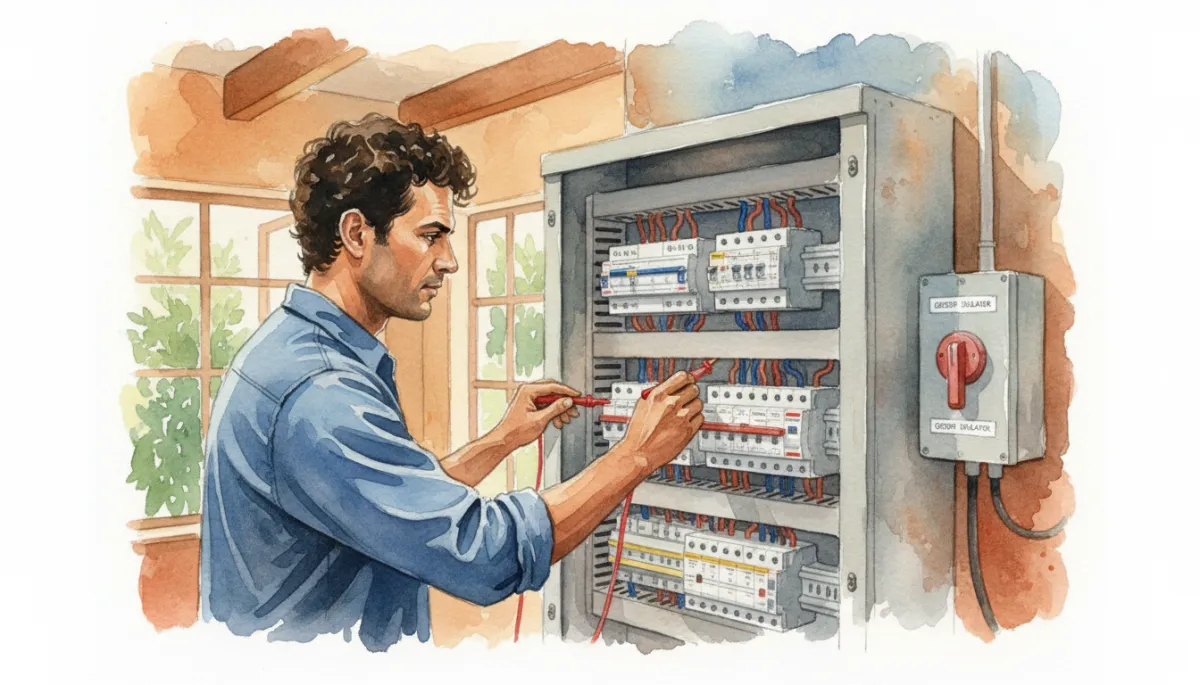
Regular electrical and geyser checks reduce surprise failures and emergency call-out costs.
Common Issues in Cape Town Cottages
Cape Town’s climate brings particular maintenance risks. Damp and moisture intrusion are frequent complaints, especially where older cottages lack proper damp‑proofing. Blocked gutters and downpipes cause water to cascade against walls, leading to peeling paint, mould and, in time, structural damage. In coastal and wind‑exposed areas, salt air corrodes hinges, balustrades and aluminium frames, while strong UV light quickly degrades exterior paint and timber finishes. Inside, poor ventilation in compact units often leads to condensation and mould in bathrooms and around windows, affecting both tenant comfort and fabric of the building.
Maintenance Inspections: How Often and What to Check
A structured inspection routine is the backbone of effective granny flat maintenance Cape Town wide. Conduct a detailed handover inspection before a new tenancy, then schedule at least one mid‑term inspection per year. Externally, check roofs, flashings, gutters, downpipes, boundary walls, paving falls and garden drainage. Internally, look for signs of damp, hairline cracks, loose tiles, sticking windows and doors, as well as the condition of sealants around showers and basins. Record issues with dated photographs and action lists; this supports fair deposit management and ensures small defects do not escalate into major repairs.
Costs to Budget for Second Dwellings
For planning purposes, owners should expect annual maintenance on a modest granny flat to fall somewhere between about ZAR 10,500 and ZAR 62,000, depending on age, exposure and finishes. This includes general building upkeep, minor repairs and routine servicing. Garden and exterior care for a small yard typically adds ZAR 3,600–10,500 per year, while sewerage and related municipal charges can contribute roughly ZAR 1,500 annually. If you prefer a hands‑off approach, property management retainers may add around ZAR 24,000 per year on top of direct maintenance costs. Ring‑fencing a monthly reserve for the cottage helps smooth out large, irregular expenses such as repainting or a geyser replacement.
Practical Fixes and Preventative Measures for Cottage Owners
Many high‑impact tasks are relatively simple and inexpensive. Clean gutters and downpipes before winter, trim back overhanging trees and ensure water flows away from the cottage, not towards it. Repaint exposed façades on a sensible cycle with quality, breathable coatings suited to Cape Town’s conditions. Fit extractor fans in bathrooms and encourage tenants to ventilate to combat condensation. Install geyser timers and pipe insulation to cut running costs, and replace perished window and door seals to improve weather‑tightness. Finally, keep a vetted list of local plumbers, electricians and handymen so that when issues arise, you can respond quickly, protect your tenant relationship and safeguard the long‑term value of your second dwelling.
